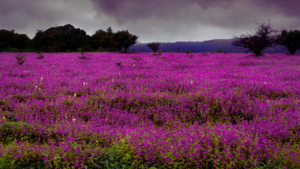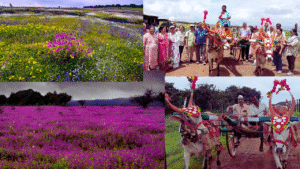
Welcome to a captivating journey through Kas Pathar tourism, where nature paints its most vibrant masterpiece in the Western Ghats of Maharashtra. Also known as the Kaas Plateau, this UNESCO World Natural Heritage Site transforms into a stunning “Valley of Flowers” after the monsoon rains, offering a breathtaking escape for nature lovers and photographers alike.
Importance of Kas Pathar in Tourism
Regarding tourism, Kaas Pathar has become a must-see destination, welcoming people from all over the globe and offering them a taste of its ecological grandeur and breathtaking landscapes.
Biodiversity Hotspot
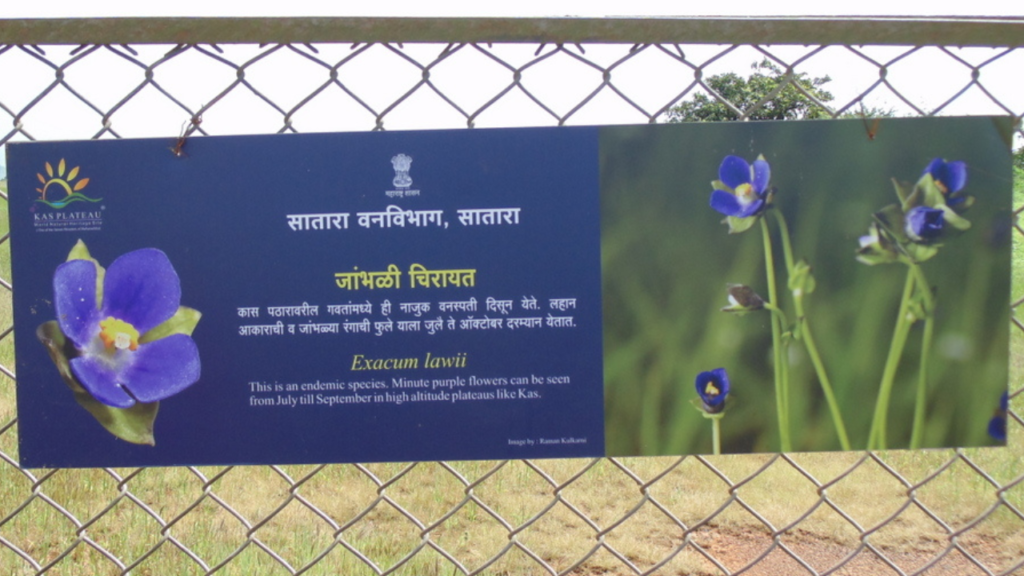
As a biodiversity hotspot, Kas Pathar is home to a mind-boggling variety of endemic plant species and the region’s geological formations add to the region’s vibrant life.
Seasons at Kas Pathar
Spring Blossoms
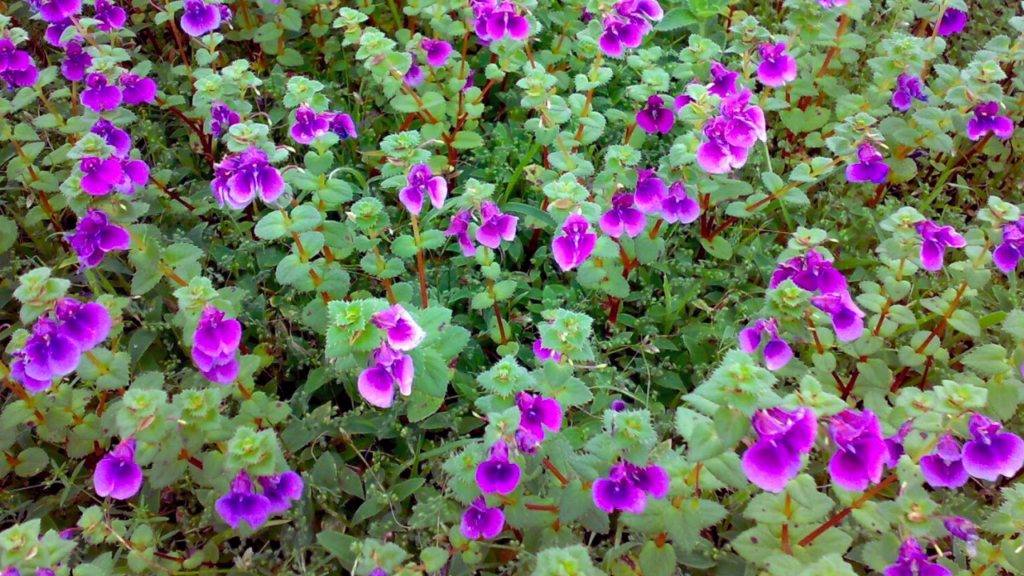
Spring transforms Kas Pathar into a kaleidoscope of hues and, and literally thousands of colourful flowers in full bloom make the destination’s allure irresistible, and people have to be out here during this period to take photographs.
Monsoon Magic
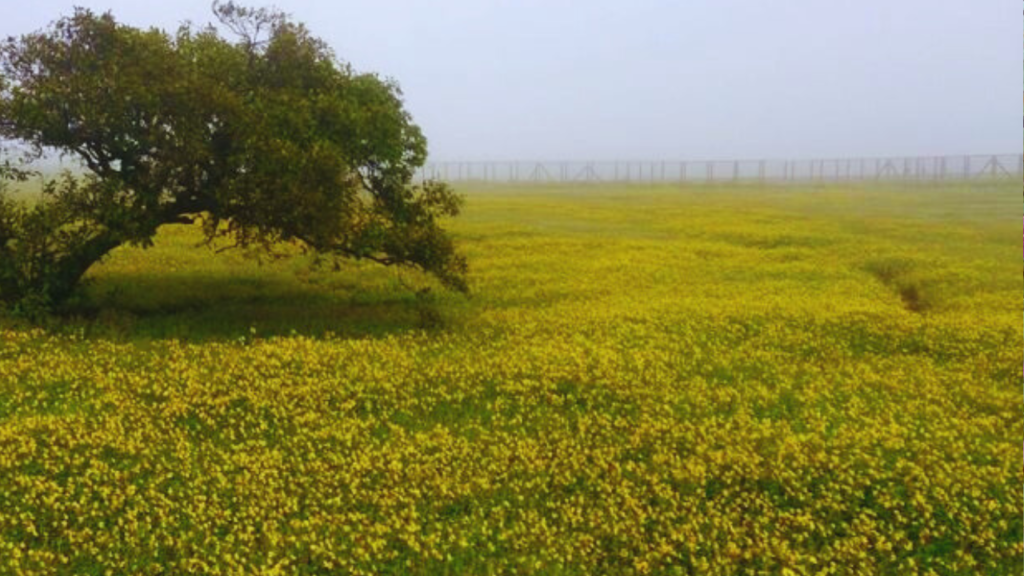
A surreal beauty is added to the scene, as misty veils are woven through the landscape and numerous waterfalls tumble down the cliffs, heightening the area’s allure, when monsoon season sets in on the plateau of Kaas Pathar.
Winter Tranquility
Even in the cold of winter, Kaas Pathar offers serenity and peacefulness. The clear skies and cool climate elevate its soothing setting.
How to Reach Kaas Pathar
Transportation Options
The plateau can be reached relatively easily, by road from nearby towns.
Nearby Accommodations
Which can also become optional means of transportation by using either a tour or private ride.
Conservation Efforts
Preservation Initiatives
Speaking of the delicate ecosystem of Kaas Pathar, local government and initiatives work together to protect the region’s natural beauty.
Ecotourism Practices
Responsible tourism and ecotourism are also promoted to make sure that visitors can enjoy the area’s many wonders without straining the ecosystem, or causing any harm.
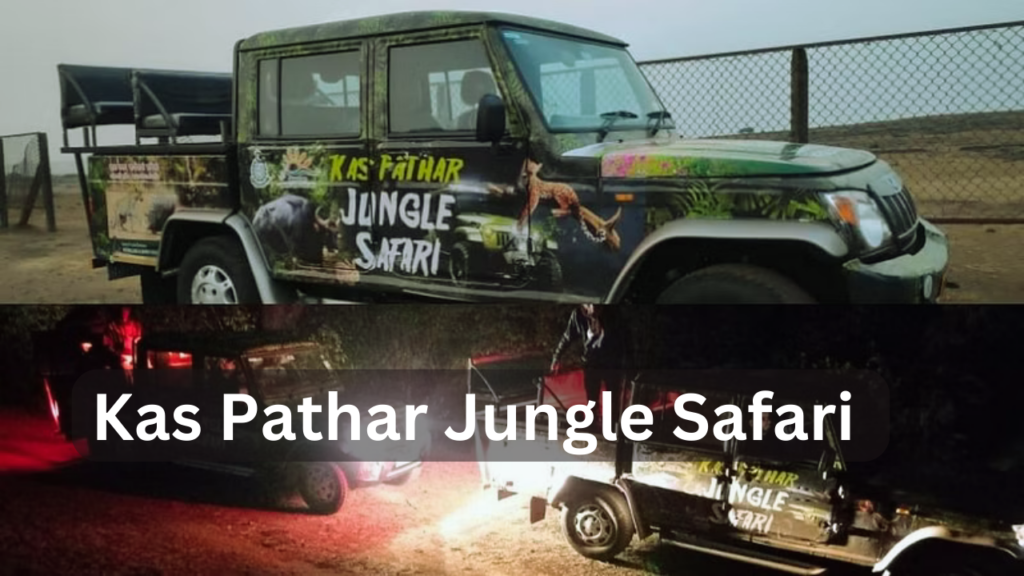
Now, perennial (Non-stop) Kas Pathar tourism is starting on the Kas Plateau.
When visiting Kas Plateau and the surrounding areas, the Executive Forest Management Committee and Forest Department have given you a new way to experience the region’s rich biodiversity. Jungle safaris, jeep trips and guided tours that are now available all over the year.
Taking the reins of Kas Pathar Tourism, the committee and the forest department have developed exclusive jungle safaris, hair-raising jeep excursions and mesmerizing sightseeing tours, sending you headlong into the charm of Kas Plateau, with the ultimate aim of revealing the breathtaking sights that turn Kas Plateau, and its Kas Dam area in particular, into such a breathtakingly beautiful place.
These tours have been designed to satisfy the insatiable interest that tourists have in the various ecosystems that inhabit Kas Plateau, so whether you go for a jungle trek, a jeep ride, or a relaxing stroll, Kas Pathar Tourism will treat you to an experience you won’t ever forget.
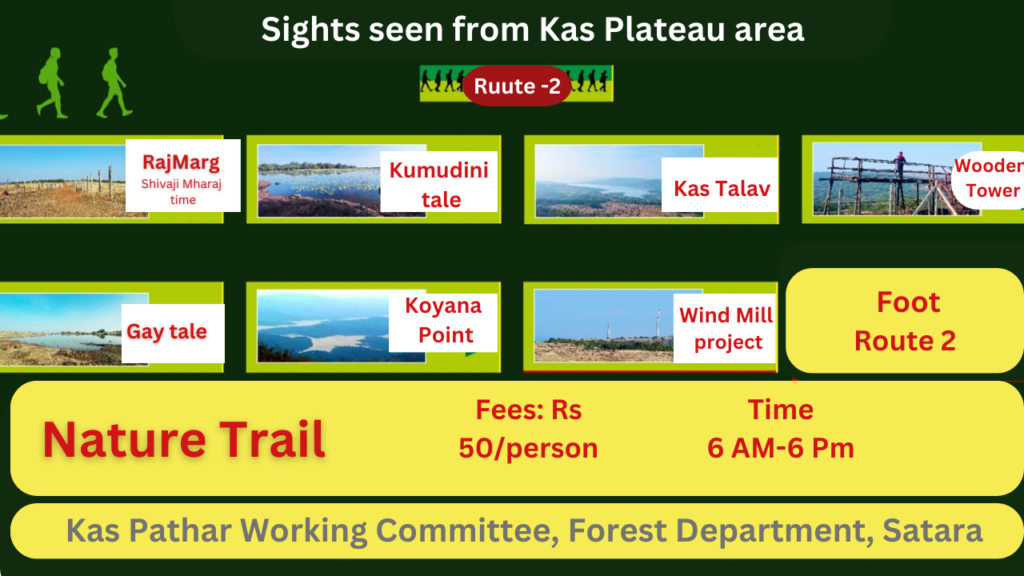
You can choose from two different routes and be sure to be left with a heart-filling experience.
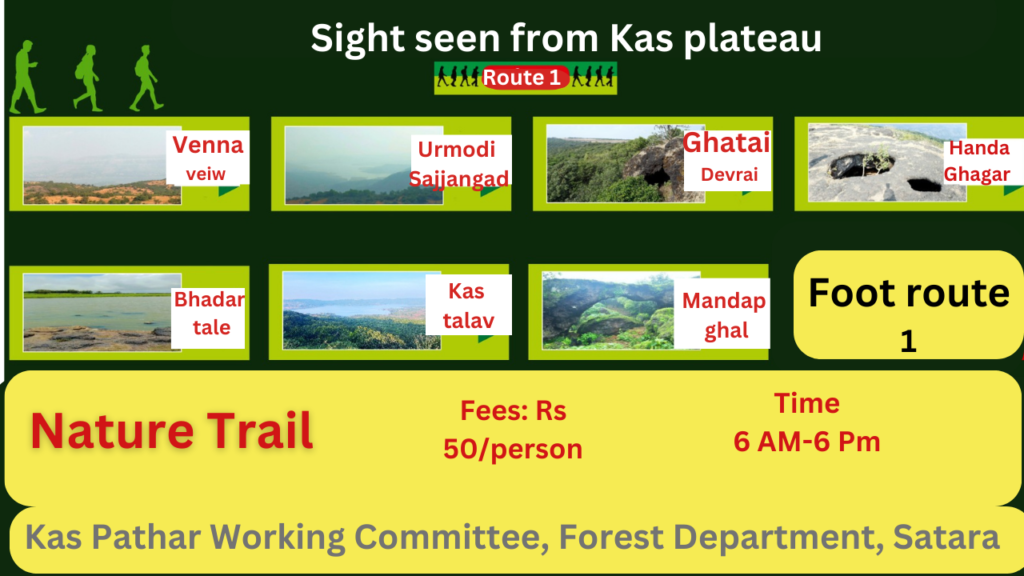
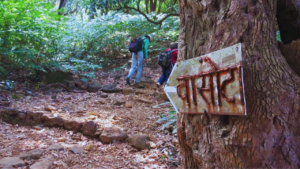
The other route is also a treat, a 10km trek that goes along the winding Shivkaline Rajyamarg, Kas Dam Lake, Koyna Point, Gaytale, Wooden Tower and the Windmill Project. If you don’t feel like hiking, a jeep safari is also available, and will take you through the 50km of luscious greenery that the Kas Plateau has to offer, giving you a completely new perspective on the area’s natural wonders.
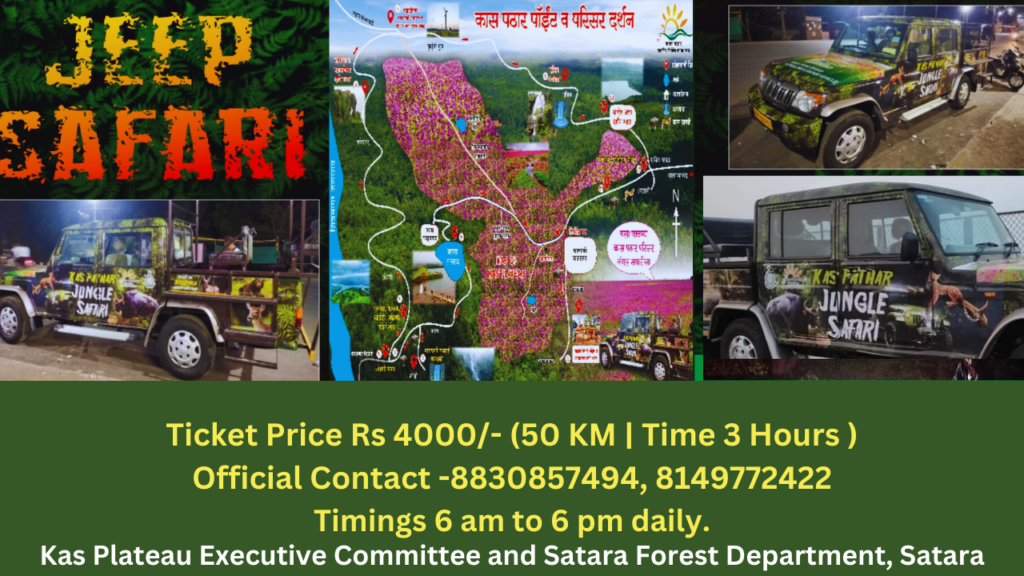
Coming hurrying through the Kas Plateau for a few hours is also an option, a jungle safari that will let you explore the picturesque surroundings and really get up close and personal with the local wildlife. The Kas Pathar Tourism adventure, which includes a three-hour jungle safari, will cost you 4000 rupees per person for the day.
Coming hurrying through the Kas Plateau for a few hours is also an option, a jungle safari that will let you explore the picturesque surroundings and really get up close and personal with the local wildlife. The Kas Pathar Tourism adventure, which includes a three-hour jungle safari, will cost you 4000 rupees per person for the day.
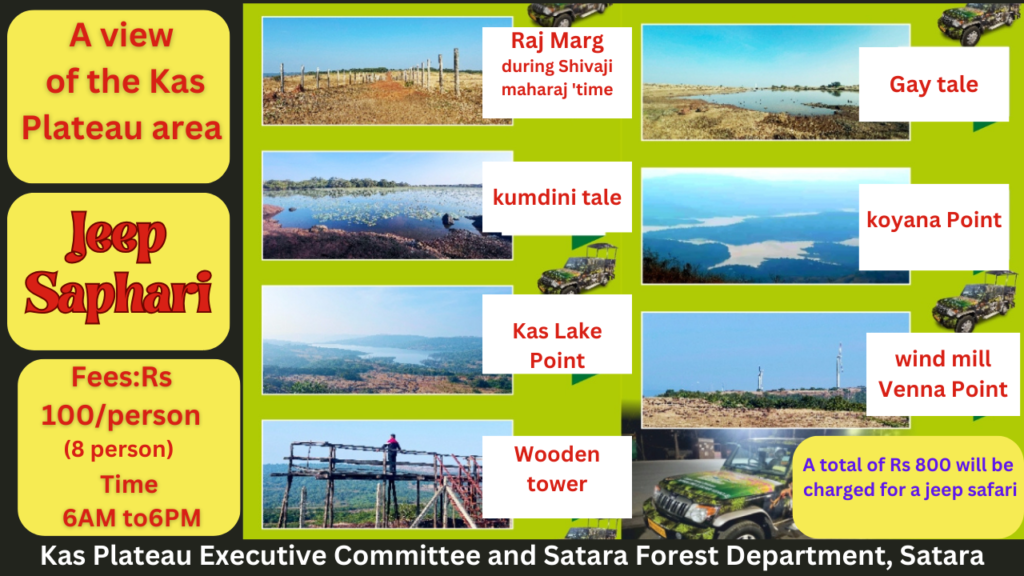
Jeep Safaris run from 6 am to 6 pm and only cost a hundred rupees per person. But need a minimum of eight people to book a round, when planning your visit to Kas Pathar. Well-known for its breathtaking views of the Kas Plateau, this is basically a must-do for photography enthusiasts and those who love nature.
DSLR cameras or high-end smartphones are highly recommended if you want to capture the kaleidoscopic colours and the intricate patterns of the Kas Platea’s flora. Kas Pathar Tourism gives you the flexibility to choose your route. Be it on foot or via a jeep safari, and to bask in the sheer beauty of the natural world as you go.
Guided Tours and Activities
You’re in for a treat, experts are here to fill you in on the region’s history and exclusive features, when visiting the Kas Plateau.
Hiking, bird watching and meandering nature walks are a great way to really absorb the breathtaking beauty of the plateau, and responsible tourism is also a key part of the region’s management, asking us to clean up after ourselves, stay on marked paths and not disrupt the wildlife.
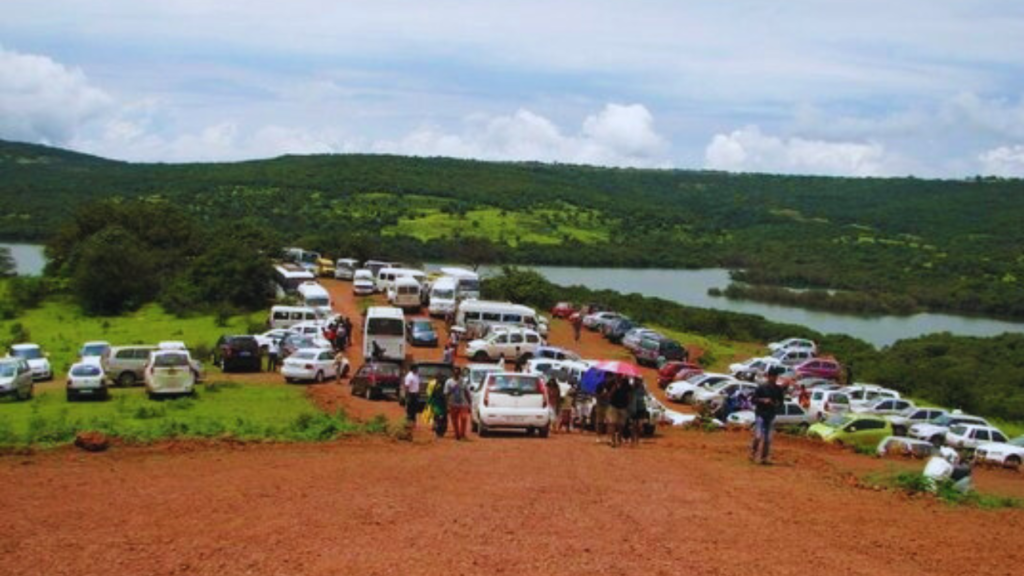
Sustainable Kas Pathar Tourism
Responsible Visitor Practices
Communing with the local communities and boosting their eco-friendly ways is what makes the preservation of the Kas Pathar tick, and is an important step in securing the future of the area.
Community Involvement
Well-known tourism has started on the Kas Plateau and is shielding the precious forest and facilities for both visitors and residents.
Conclusion
In conclusion, tourism has started on the Kas Plateau, protecting forest resources and facilities for tourists and locals. Kas Pathar Tourism is necessary to achieve these employment goals.
Kas Pathar Satara | Pre Monsoon Bliss | Best Place to Visit in SATARA | Hidden Place
कास पठारावर सापडले हे गुपित ठिकाण 🤫 | Hidden place | Kas pathar
Is Kaas Pathar accessible throughout the year?
Kaas Pathar is accessible year-round, but the best time to visit depends on personal preferences. Spring, monsoon, and winter each offer unique experiences.
Are there restrictions on photography in Kaas Pathar?
While there are no strict restrictions, visitors are encouraged to practice responsible photography, respecting the delicate ecosystem and fellow travellers.
Can I explore Kaas Pathar without a guide?
While it’s possible to explore independently, guided tours provide valuable insights into the region’s geological and ecological significance.
Are there entry fees for visiting Kaas Pathar?
Yes, there is a nominal entry fee for visitors to Kaas Pathar, which contributes to the conservation and maintenance of the site.
What precautions should one take while trekking in Kaas Pathar?
Visitors should wear comfortable clothing and footwear, carry sufficient water, and follow designated trekking paths to ensure a safe and enjoyable experience.