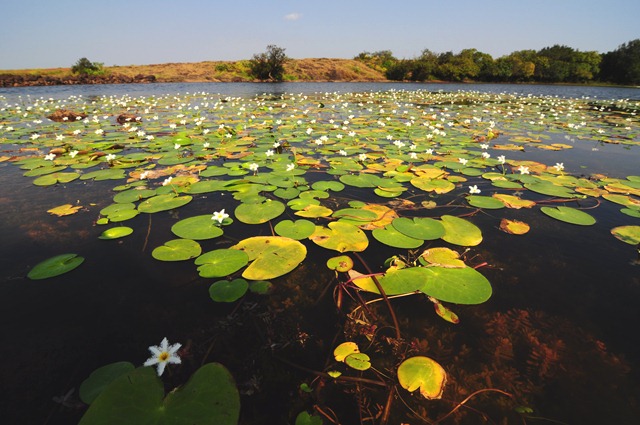
Introduction: Discovering the Enchanting Surroundings of Kas Pathar
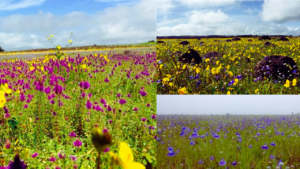
When you visit the state of Maharashtra, be sure to check out Kas Pathar, the “Valley of Flowers” and part of the Western India’s Sahyadri mountain range, which is basically a must see for anyone who loves nature and taking pictures. Coming from the Satara district, Kas Pathar is famous for its stunning beauty and incredible variety of flowers, and every year, between August and October, it becomes a riot of colours as over eight hundred fifty types of flowers burst into bloom.
The scenery in Kas Pathar is breathtaking and I can only imagine the kaleidoscopic explosion of colours as the wildflowers bloom, and yet, besides the flowers, there are the Top nine sites that are awaiting to be explored. It’s one of those places that’s on my personal travel bucket list and is well-known to be perfect for people who love the great outdoors, photographers and anyone in search of peace and tranquility. And, since the nearby regions offer waterfalls to soak in, boat rides, and ancient temples, it’s all in one place.
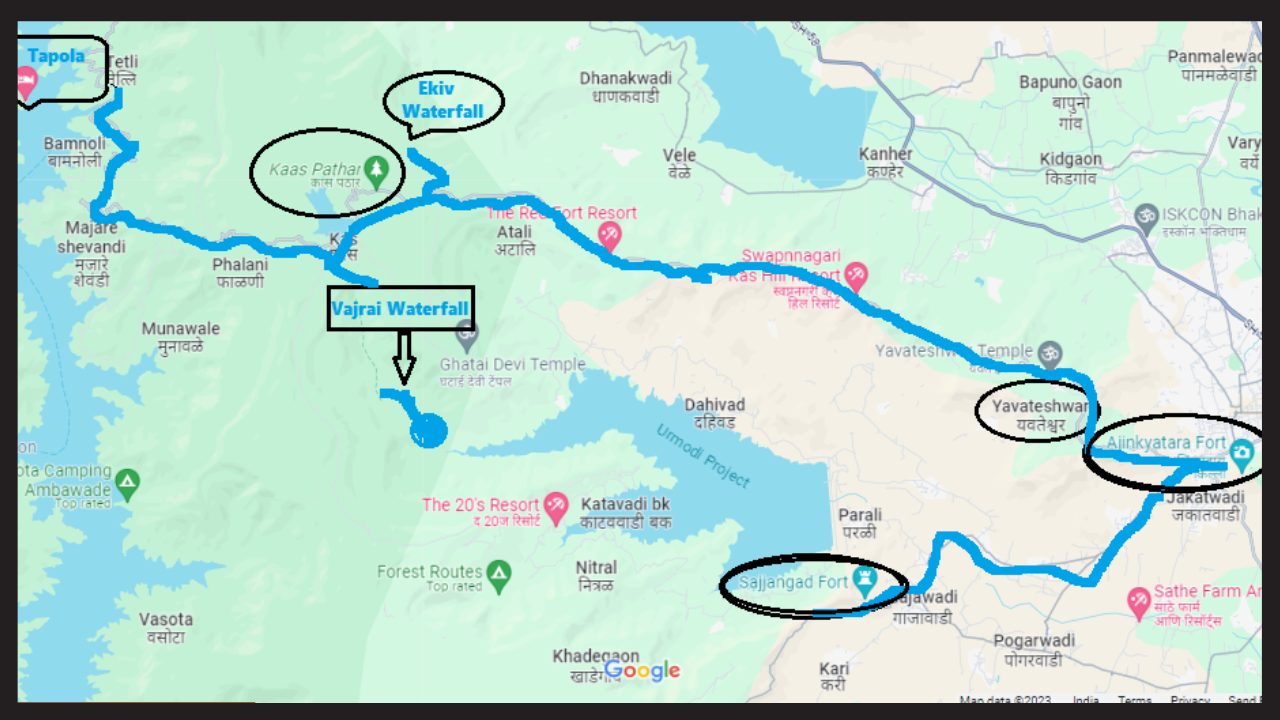
Ekiv Waterfall, 3 Km from Kas Pathar
When visiting Kas Pathar, you’ll find Ekiv Waterfall, situated 3 kilometers away, in the Ekiv village, Satara district, of Maharashtra, India, and it’s become a hotspot for tourists. Especially during the monsoon season when the falls are in full swing.
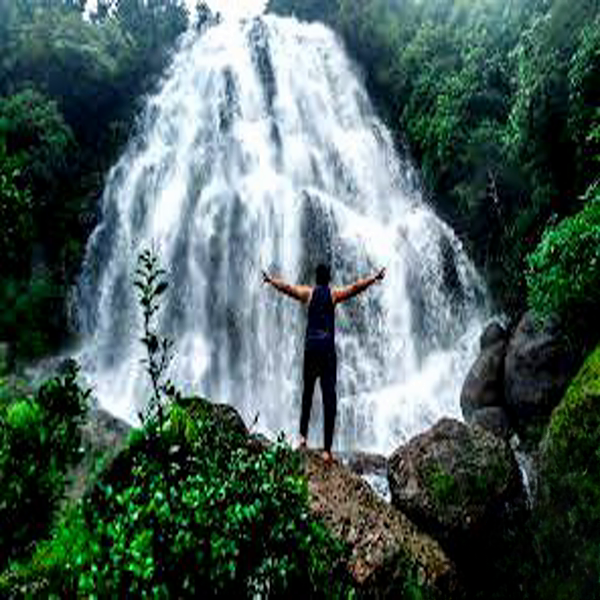
The waterfall is about 100 feet tall and plunges into a pool of clear blue water. The surrounding area is lush and green, with tall trees and lush vegetation.
The best way to reach Ekiv Waterfall is by car. It is about 25 kilometres from Satara city. There are two ways to reach the waterfall:
- From Satara city, take the road to the Kaas plateau. After about 20 kilometres, you will see a board on the right side at the Atali-parambe phata of the road indicating the turnoff to Ekiv village. The waterfall is about 3 kilometres from the turnoff.
- From Medha village, take the road to Ekiv village. The waterfall is about 4 kilometres from Medha village.
The best time to visit Ekiv Waterfall is during the monsoon season (July to September). However, the waterfall is also beautiful during the rest of the time.
Bhambavli Vajrai waterfall (3 km from Kas Pathar)
You’ll want to check out Bhambavli Vajrai Waterfall, which stands at an impressive 1,840 feet (560 meters). The tallest in the country, situated in the Satara district of Maharashtra, when visiting India. Coming from Kas Pathar, it’s just 3 kilometres away and roughly 27 kilometres from the city of Satara.
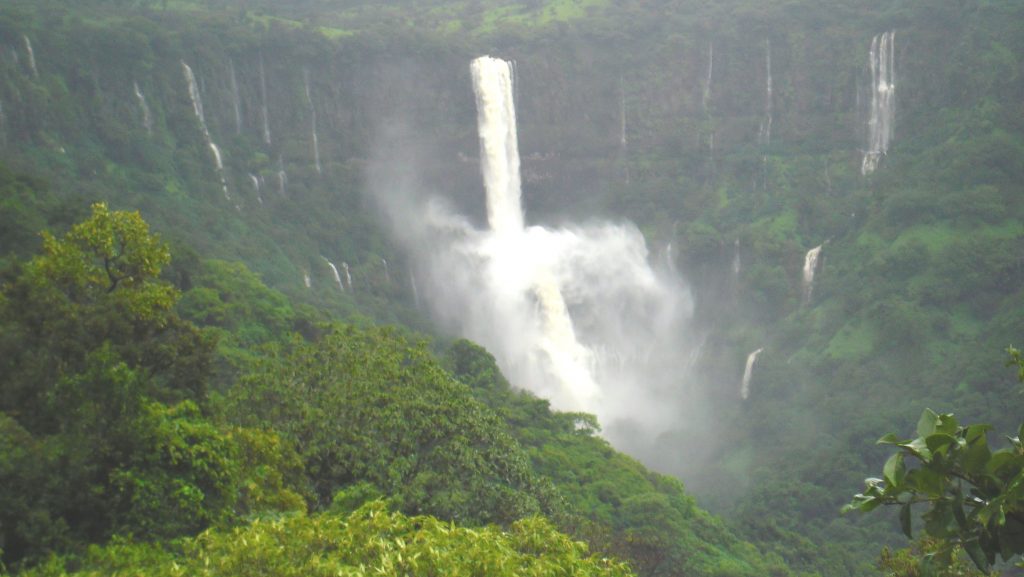
The waterfall has three levels, with the main drop of 1,200 feet (365 meters) is truly breathtaking. The waterfall is supplied by the Urmodi River, and monsoon season, which runs from July to September, is the best time to see the water at its peak.
Yawateshwar Mandir
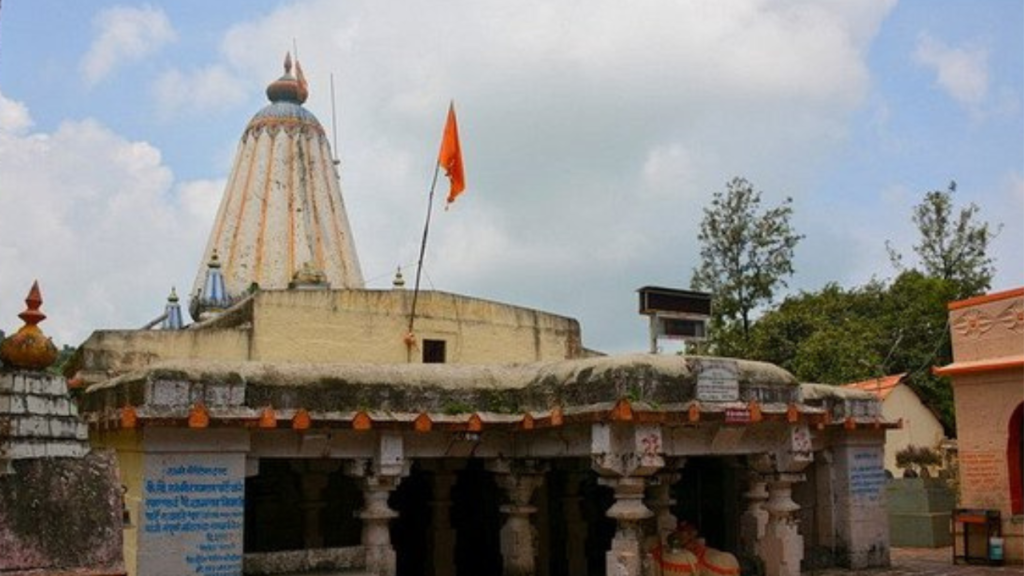
If you’re looking for a place in the vicinity of Satara City and Kas Pathar, you’ll be approximately 4-5 km away from this location. Coming in at an elevation of 2000 feet above the sea, the centuries-old Shiv Temple here is basically the main attraction, known for its Hemadpanthi construction.
Well-known festivals are celebrated at the temple, one of which is the Mahashivratri, and drawing a huge crowd, as thousands of people come here for the darshan on that day. Being a historical site and a major tourist destination in Maharashtra, you’ll get to experience the best of Hindu culture and religion at this temple.
Kas Lake (3km)
Located in the heart of the Kaas Plateau in the city of Satara, you’ll be able to take in the stunning scenery of the well-known attraction, when visiting Kaas Lake. Coming heading from the UNESCO World Heritage Site that the Kaas Plateau is, this lake is nestled in the midst of luscious green surroundings and is one of the go-to spots for picnics and nature photography.
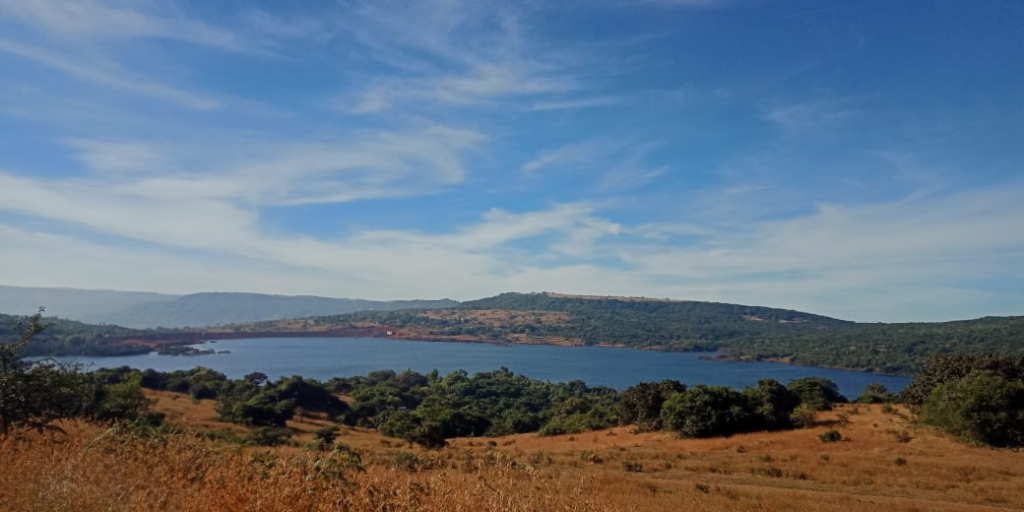
Kaas Lake was constructed by the British rulers of India in 1875, and serves as a perennial water source for the western part of Satara city. The lake is a breathtakingly beautiful spot, and even surpasses the Swiss alpine lakes in terms of scenery. It has crystal clear waters that will instantly perk you up, and the mountain backdrops add the cherry on top. The texture of the water is silky and soothing, and this lake is also famous for being a spot to watch birds.
Over two hundred species of birds have been recorded here, which include the Malabar whistling thrush, the Indian pitta and the rufous treepie.
Kumudini Lake(1 km)
India, you’ll find Kumudini Lake, a popular tourist destination, when visiting Kas Pathar in the Satara district of Maharashtra.
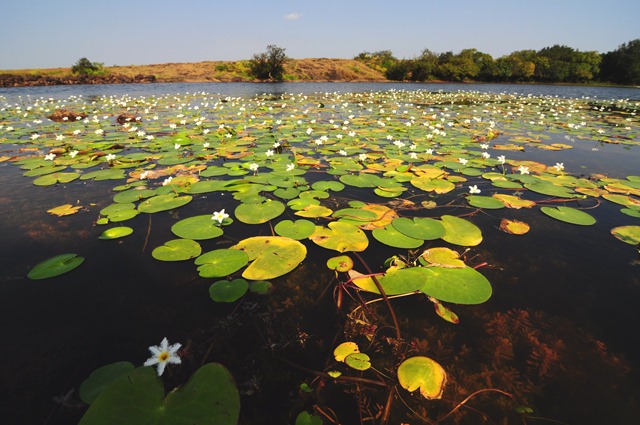
The lake itself is approximately 1 kilometre in length and 500 metres in width and has a maximum depth of five metres. It’s nestled within the hills and forests of the Kas Pathar, and is teeming with birds and animals, such as peacocks, deer and monkeys.
The lake in monsoon season is blanketed with a colourful carpet of flowers, and among the ones that cover its surface are water lilies, lotus flowers and orchids. This is when the lake’s beauty is in full swing and the beautiful butterflies and dragonflies create for an electrically charged sight.
July to September is the best time to see Kumudini Lake, however, it is attractive at any time of the year.
Ajinkya Tara Fort (14km from Kas Pathar)
Looking at out at the city of Satara, you’ll notice the 12th-century Ajinkyatara Fort, one of the most significant fortresses in the history of Maharashtra.
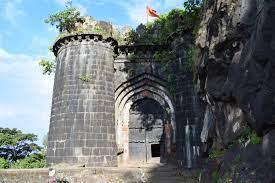
Built by the Shilahara dynasty in the 12th century, the fort was later captured by the Bahamani Sultanate and the Adilshahi dynasty. In 1673, Chhatrapati Shivaji Maharaj captured the fort and renamed it Ajinkyatara. The fort stayed in the hands of the Marathas until the British took it over in 1818.
Ajinkyatara Fort, is remarkably well-preserved, still stands out with its imposing walls and bastions. Comprising two gates, the main and the smaller one, it is home to three temples, the Mangala Devi Temple, the Mahadev Temple and Hanuman Temple, and several water reservoirs.
Ajinkyatara Fort is now a sought-after tourist destination, offering breathtaking views of the city, and serves to satisfy the curiosity of both history enthusiasts and nature lovers.
Tapola: The Mini Kashmir of Western India (14 km)
A region often called the Mini Kashmir, situated in the Sahyadri mountain range, roughly an hour from Mahabaleshwar in Maharashtra, when visiting Western India you’ll find the beautiful Tapola.
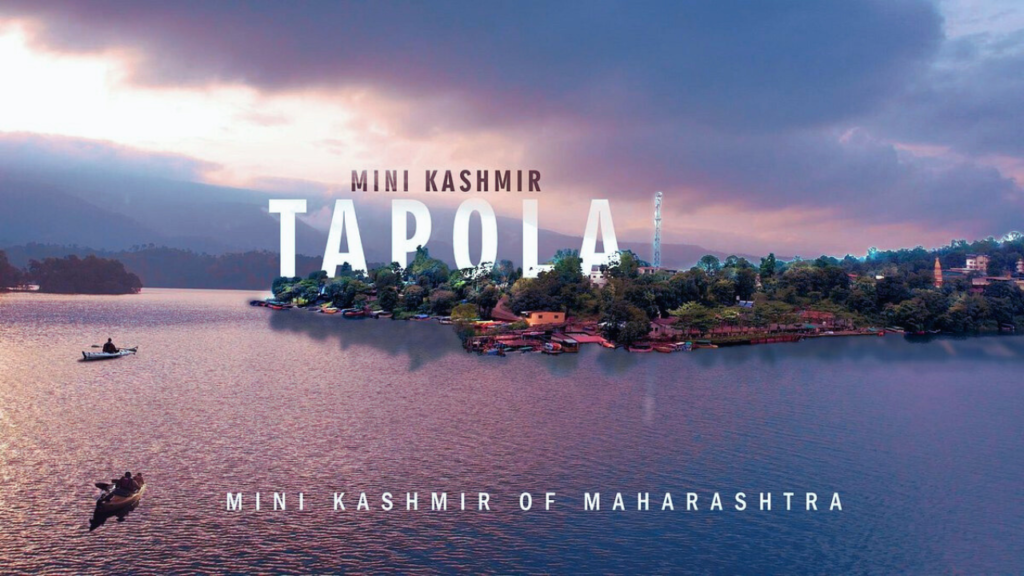
Coming hurrying down from the hills, Tapola is essentially a serene and breathtaking getaway for those who love the great outdoors and adventure. Water sports are also high on the agenda here, and the crystal-clear waters of Shivsagar Lake allow you to enjoy activities such as boating, kayaking, jet skiing and bouncing around on water scooters.
Besides camping and splashing in the water, Tapola has plenty of other attractions, including treks that will take you to stunning viewpoints that show off the valleys and hills that surround the town and the Vasota Fort trek is popular among thrill-seekers.
Sajjangad Fort (25 km)
Looking at out over the Satara district in Maharashtra, India, you’ll find Sajjangad, also known as Parali Fort, a hill fort that is of great significance to the Hindus as the final resting place of Samarth Ramdas Swami.
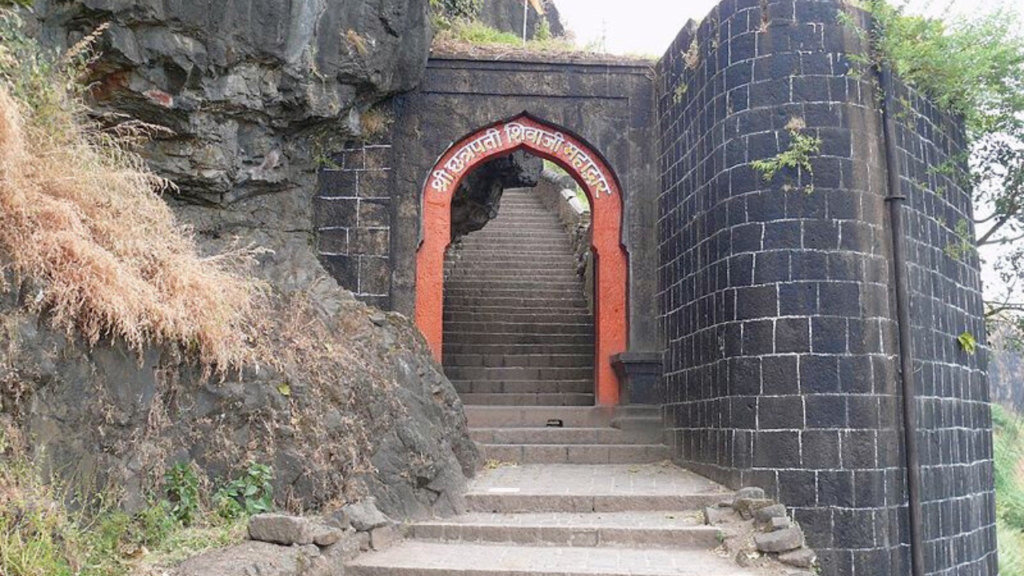
Initially constructed by the Bahamani Sultanate in the 14th century, Sajjangad changed hands several times, being captured by the Adilshahi dynasty, and later by the Marathas, and in 1673, Chhatrapati Shivaji Maharaj stormed the fort, rechristening it Sajjangad.
The fort remained under the control of the Marathas until it was taken over by the British in 1818. Today, Sajjangad is a well-fortified fort with towering walls and battlements, and contains a main entrance and smaller gates.
The numerous temples within the fort include the Samarth Ramdas Swami Samadhi Mandir, the Hanuman Temple and the Mahadev Temple; in addition, Sajjangad holds multiple water tanks. It’s a well-known pilgrimage site for history buffs, pilgrims and nature lovers, attracting people to the fort.
Mahabaleshwar: The Queen of Hill Stations in Maharashtra (25 km)
Initially constructed by the Bahamani Sultanate in the 14th century, Sajjangad changed hands several times, being captured by the Adilshahi dynasty, and later by the Marathas, and in 1673, Chhatrapati Shivaji Maharaj stormed the fort, rechristening it Sajjangad.
The fort remained under the control of the Marathas until it was taken over by the British in 1818. Today, Sajjangad is a well-fortified fort with towering walls and battlements, and contains a main entrance and smaller gates.
The numerous temples within the fort include the Samarth Ramdas Swami Samadhi Mandir, the Hanuman Temple and the Mahadev Temple; in addition, Sajjangad holds multiple water tanks. It’s a well-known pilgrimage site for history buffs, pilgrims and nature lovers, attracting people to the fort.
Is Kas Pathar worth visiting?
Kas Pathar is worth visiting, especially during the monsoon season when the flowers bloom.
What is the best time to visit Kaas Pathar?
The best time to visit Kaas Pathar is from mid-August to mid-October when the flowers are in full bloom.
How far is Kas Pathar from Mahabaleshwar
From Mahabaleshwar, Kas Pathar is 25 km
What is Kas Pathar famous for?
Kaas Pathar, a Valley of Flowers in Maharashtra, is well known for its massive carpets of blooms that spring at the end of the monsoon season.
Cost Of Visiting Kaas Plateau | Trip Budge
Read this also:-