1. Introduction: Unveiling the Enchanting Kas Pathar Lake
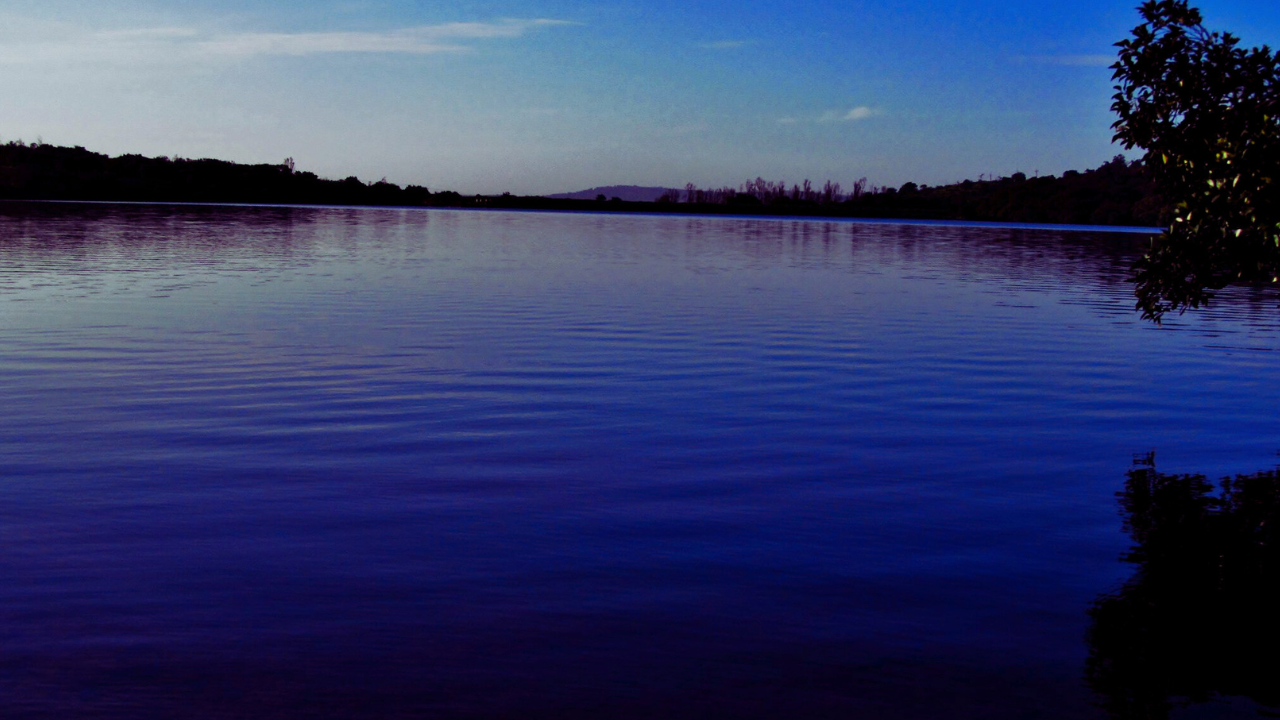
Which is locally known as Kaas Talav, when visiting the city of Satara in the state of Maharashtra you’ll find Kas Pathar Lake. Coming hotfooting off the heels of a visit to the Kaas Plateau, a UNESCO World Heritage Site, the lake is basically at the foot of the plateau, and is enveloped by the most beautiful scenery. The lake has become a go-to spot for picnics and capturing the perfect nature photographs.
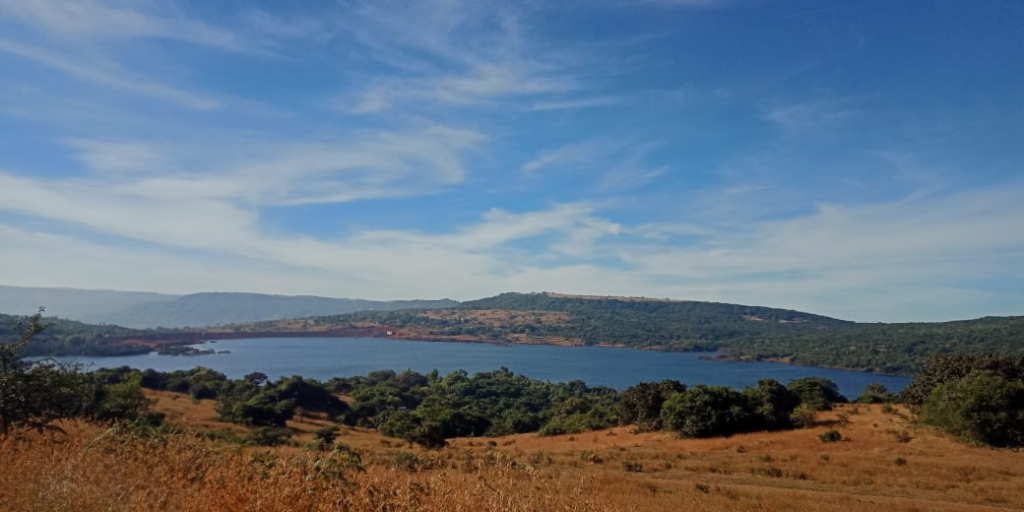
.In back on the history of Satara city, the lake has been the mainstay of its water supply since, when the British constructed it and discovered the underlying natural springs. This breathtaking body of water is surrounded by an effortlessly beautiful and captivating environment that was built to impress. In fact, a British bungalow from the 1800s and still intact to date stands near to, and serves an opportunity to touch its lustrous waters.
Southeasternly is the modest dam that came about in order to meet the growing requirements of Satara city.
Specifically as a reaction to the building of the Mushi Dam. The heavy forest surrounding the lake, accompanied by the sweet singing of the birds, the reddish-coloured mud and mouth-watering steamed sweet corn render this place a year-round drawcard for visitors.
2. Natural Beauty at its Finest: Exploring the Flora and Fauna
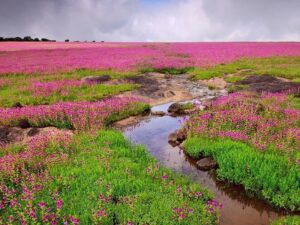
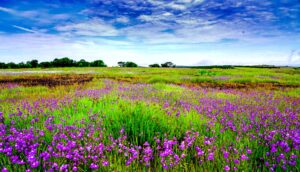
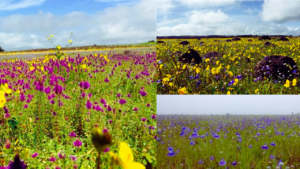
You’ll be in a nature lover’s paradise, surrounded by an array of beautiful and varied flora and fauna, when you’re in the surroundings of Kas Pathar Lake. The lake’s edge presents a breathtaking display of colourful wildflowers and the Kas Plateau flower bloom gives the landscape a vibrant hue.
The local forests of Kas Pathar Lake are a haven to a myriad unique species, many of which can be only be found here and are critically endangered.Bird watchers get to enjoy a kaleidoscopic view of species from tiny, and lovely birds. Birds like Malabar Grey Hornbill, the striking Indian Pitta and and the euphonic Malabar Whistling Thrush are a few among them. Coming equipped with a pair of binoculars will help you capture the beauty of all these avian wonders.
3. Preservation and Conservation: Protecting the Pristine Beauty
You’ll be in a place that is highly concerned with preserving its natural beauty and the unique biodiversity that it’s home to, when visiting Kas Pathar Lake. Well-known local and international environmental groups are working with the authorities to protect this delicate ecosystem and have implemented strict measures to control pollution, keep the area clean and secure the native plants and animals.
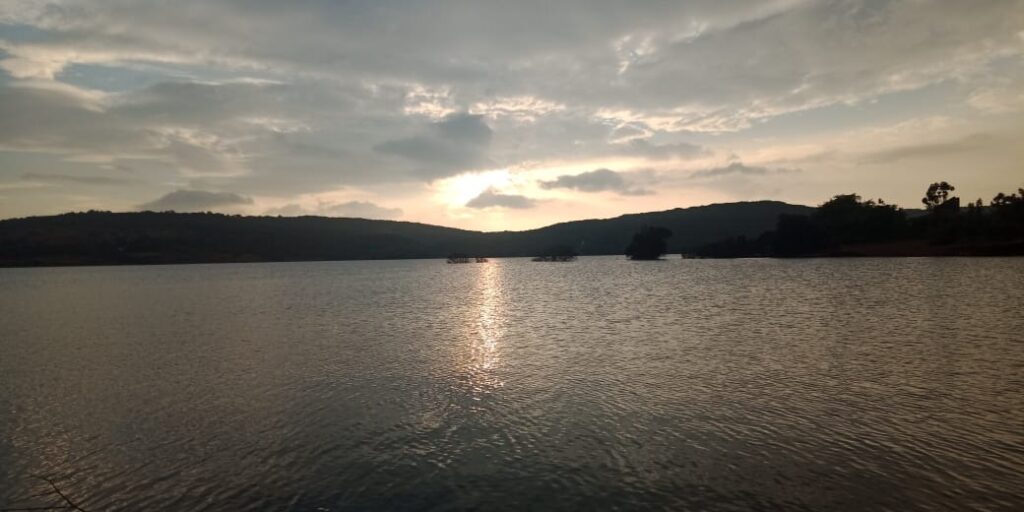
As a visitor, being a responsible and thoughtful individual is of the utmost importance. You are expected to follow the guidelines provided to be shown respect for the environment, avoid littering and not bother the wildlife. Your contribution will go a long way to protecting and preserving the lake, and benefiting the people of Kas Pathar who depend on it.
4. How to Reach Kas Pathar Lake:
Your starting point will likely be Pune, one of the largest cities in western India, when planning a trip to Kas Pathar Lake. Coming from Pune, you’ll find that Kas Pathar Lake is well-connected to the rest of India by air, rail and road.
Once in Pune, you’ll need to make your way to Satara, a smaller town, and then you can either book a private taxi or hop on a local bus to get to Kas Pathar village.
When you finally arrive in Kas Pathar village, getting to the lake is a simple task, a short trek or leisurely walk. The landscape is a feast for the senses as you enjoy the breathtaking vistas of the forest, the terraced fields, and people going about their daily lives. Coming from the plateau, you can continue your journey to the lake in a car.
5. Stop by Kas Pathar Lake and Immerse Yourself in Nature’s Serenity
Body and spirit, when you visit Kas Pathar Lake you’re getting an experience that will revitalise your mind. Whether you’re an outdoor enthusiast or someone looking for a peaceful escape, Kas Pathar Lake is a serene and unique getaway that has something for everyone. Make your plans now, and cherish memories that you’ll carry for a lifetime.
How to Reach Kas Pathar Lake?
Once you arrive at Kas Pathar, the lake is easily accessible by a short trek or a pleasant walk. The journey itself is a feast for the senses, as you pass by dense forest, terraced fields, and locals engaged in their daily routines. After reaching Kas Plateau, you can reach Kas Lake by road using the car option
What is the history of Kas Lake?
The lake was built in 1875 by the British rulers of India. It is a perennial source of water for the western part of Satara city.
How to Preserve and Conserve Kaas Lake?
Strict regulations are in place to prevent pollution, maintain cleanliness, and protect the indigenous flora and fauna
Website Link:- https://kaspatharflowervalley.com/ekiv-waterfall/
Facebook Page:- https://www.facebook.com/kaspatharflowervalleysatara
How to get to Kas Pathar Lake near Kas Pathar